
The east was once a major hub for drive-ins, with their heyday lasting about 35 years. Home of the first drive-in cinema in Australia, screenings would feature elephants and traffic around the block.
But what was once a thriving industry has all but shuttered now.
One of the last hangers-on, Dandenong’s Lunar Drive-in, closed up shop in 2023.
So how did the eastern suburbs even become such a hot spot for cinemas – and what caused it all to shut down?
🍿 Parks and popcorn: Australia’s first drive-in opened in Burwood in February 1954. It was the work of George Griffin Jr, Hoyts Theatre’s southern division manager, who spent six months in the United States and decided to try and make open-air theatres the next big thing in entertainment for Australia.
Newspaper articles from the time said the opening gala caused “one of Melbourne’s greatest traffic jams” along Burwood Road.
Originally offering 652 car parks, the capacity grew to 743 before its closure in June 1983.

An unusual moviegoer pulled up to a parking space at Burwood. Image Credit: David Kilderry/Drive-Ins Downunder
📈 Chain reaction: In 1955, cinema chain Village – later known as Village Roadshow – opened its first drive-in theatre in Croydon. Soon other locations began popping up across the east, including Hoyts Oakleigh on 658 Old Dandenong Road in March of that year.
Other locations over the years included Village Rowville – 1233 Stud Road – in July 1956, Village Hawthorn East – 800 Toorak Road – in November 1956 and the Metro Twin Drive Clayton – corner of Blackburn Road and Wellington Road – in May 1957 and later taken over by Village.

Image Credit: David Kilderry/Drive-Ins Downunder
✂️ Late openings: Hoyts later opened two extra locations: Hoyts Bulleen at 49 Greenaway Street in March 1965 and Hoyts Wantirna on the corner of Mountain Highway and Boronia Road in August 1968.
📉 Why did drive-ins die out? Drive-ins started to close across Melbourne’s east in the early-to-mid 80s, with the majority gone by the early 90s.
Former projectionist and Lunar Drive-in co-owner David Kilderry said one of the major downturns in overall traffic and profitability was the decision to bring in R-rated “sexploitation” films – like Flesh Gordon and Alvin Purple in the 1970s, turning families away.
🗣️ “You couldn't run Case of the Smiling Stiffs one week and the next week, have 101 Dalmatians and expect the families to come,” Kilderry told the Eastern Melburnian.
Kilderry said rising land values meant many cinema chains decided to cut their losses, sell up for a high price and reinvest the money into launching another new multiplex.
🥳 Second wind: Kilderry said he and his brother Matthew bought and reopened the old Dandenong drive-in in 2002, after it had been sitting empty and unused for 18 years with a capacity of about 950 cars.
🗣️ “Ultimately, we became the busiest drive-in in Australia – we had four screens and had over 400,000 people come in each year,” said Kilderry.

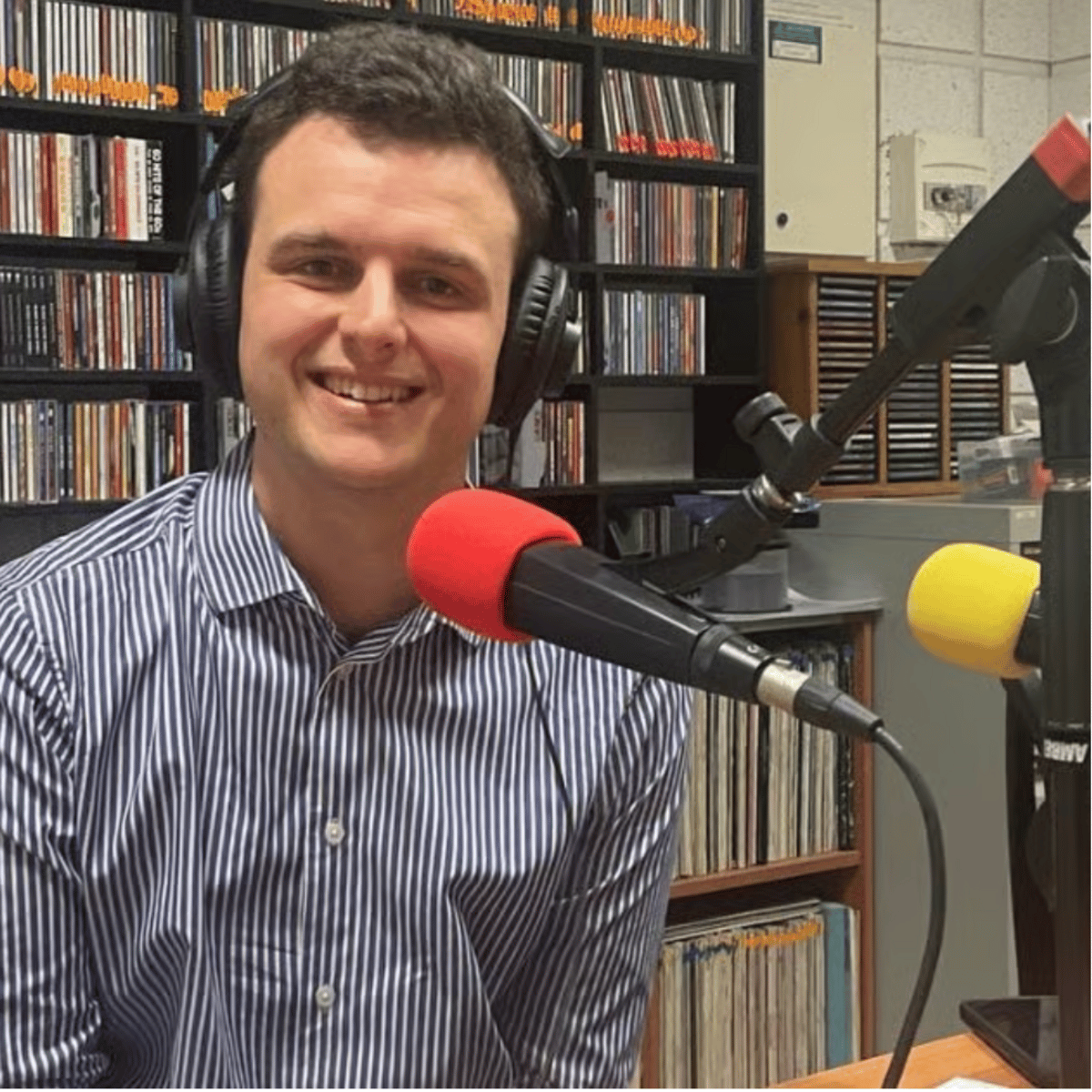
David Kilderry
With the impacts of Covid, a changing appetite in films and a shift towards watching movies at home on streaming platforms, Kilderry said he and his brother accepted “the best days were definitely behind us,” closing the doors in 2023.
⏭️ What’s next? Kilderry said while he would never say never to there being a resurgence in the popularity of drive-ins, there were more challenges to overcome than ever before.
🗣️ “You need someone with deep pockets and someone with lots of drive-in operating experience,” said Kilderry.
Only two drive-in cinemas remain open in Victoria, with about a dozen still operational nationwide.
Thumbnail Image Credit: David Kilderry and Thisbe Schultz