
⏱️ The 128th edition of our newsletter is a five-minute read.
Hi there 👋
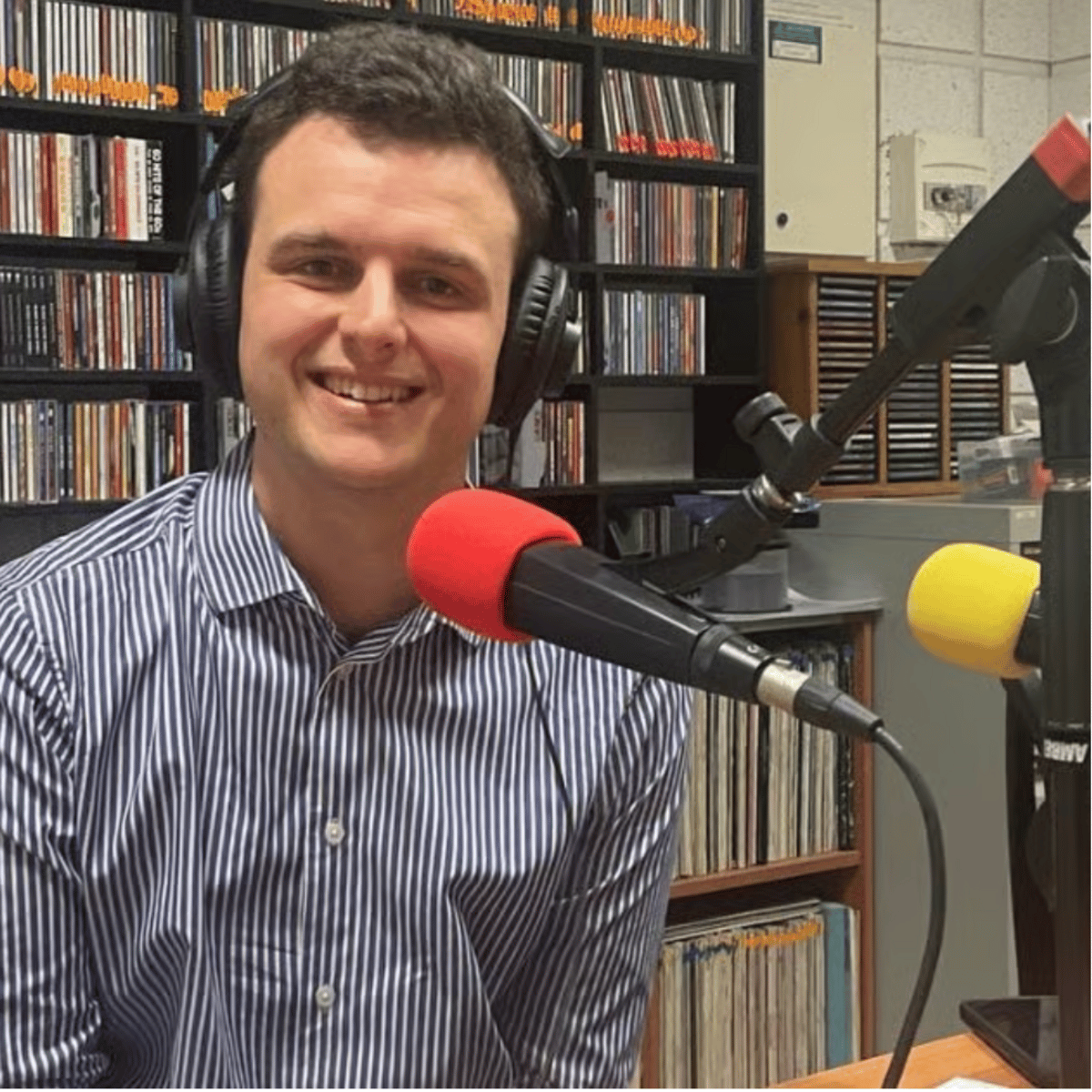
Matthew Sims here, your reporter at the Eastern Melburnian.
Going to the tip most weeks, I often see mountains of car batteries piled high. It’s a shame to think that this technology often goes to waste. However, when it comes to batteries from electric vehicles, there is often still plenty of life left in them to power homes, industrial sites or other infrastructure.
Last week, I took a deeper look into the second-life market for EV batteries in Melbourne’s east, with Dandenong’s Nissan parts factory among the local companies using old batteries — in this instance, taken directly from old Nissan EVs — in new contexts.
In other news, Victoria Police has charged a 47-year-old Bonnie Brook man with murder in relation to the fatal shooting of a 32-year-old man in Box Hill last Thursday morning.
Today we’re covering:
The growing second-life market for “retired” electric vehicle batteries in Melbourne’s east; and
High-rise dreams on hold as costs stall Boronia CBD growth.
“Developers do not feel safe, investors do not feel safe.”
George Takis, the south east Melbourne director of commercial real estate firm TeskaCarson, said investors and businesses had snatched up recent building sales in Boronia, but none had gone to developers with plans to knock down and build high.
WHAT’S ON & COMING UP 🎟️
EVERY WEEKDAY TO THURSDAY 16/04/26, 11AM-5PM | School Holidays @ SkyHigh Mount Dandenong
THURSDAY 16/04/26, 7.30PM | 360 and Pez
FRIDAY 17/04/26, 8-9.50PM |
FRIDAY 17/04/26, 7-11PM | Elsa Mouratidou and Taxim Trio
SATURDAY 18/04/26, 8.30AM-3PM | Ferntree Gardens Antiques and Collectables Fair
EVERY DAY TO SUNDAY 19/04/26, 10AM-5PM | Tesselaar KaBloom Festival
TUESDAY 21/04/26, 7.30pm | Eric Bibb
THURSDAY 23/04/26, 7.30-10PM | Melbourne International Comedy Festival Roadshow
FRIDAY 24/04/26, 7.30-9:30PM | Paul Grabowsky and Michelle Nicolle
SATURDAY 25/04/26, ANZAC DAY, 11AM-4PM | Melbourne Tram Museum

📰 THIS WEEK’S HEADLINES
In a factory in Dandenong, more than 190 employees help make the components for two million cars per year, including new electric vehicle models.
Now, “retired” batteries still holding most of their charge are being reused to store solar energy at the plant, as part of the growing second-life market in Melbourne’s east.
According to the Electric Vehicle Council, while most EVs are sold with eight to 10-year warranties on their batteries and motors, they are expected to have an average lifespan of about 15 years.
A battery is considered at the end of its lifespan when it only carries about 75 percent of its original capacity.
Nissan’s Dandenong plant recently installed a new energy storage system, made from the materials from nine repurposed EV batteries. The system stores solar power that’s used to run parts of the factory as well as an EV charging station.
Angus Robinson, the new projects and business development manager at Dandenong’s Nissan Casting Australia Plant, the capacity left in old batteries was enough to power the plant’s operations.
“Once a battery drops to around 70 percent in a vehicle, it loses range — but in a static system, that doesn’t matter, and it can actually last much longer,” Robinson told the Eastern Melburnian.
Boronia locals thinking the recent flurry of CBD building sales will lead to more high-rise developments are mistaken, according to a local commercial real estate director.
Knox Council has confirmed it currently has no more applications from developers to build multi-storey blocks in the Boronia CBD.
There are currently more than 100 developments ongoing in the Boronia CBD, ranging from mid-rise townhouses to retail opportunities.
One of the projects is a brand-new five-storey development in Erica Avenue that will have an Aldi supermarket and two smaller retail premises on the ground floor as well as 58 apartments above.
Another is a three-storey Arcare aged care facility next to the Boronia Hotel that will have more than 150 beds.
📈 Rising prices: Takis said high costs of development had hindered urban renewal, with not much interest from developers in Boronia despite Knox Council’s adoption of the Boronia Renewal Strategy last year, which had increased height limits to 10 storeys for CBD buildings.
“Building costs are going up, land costs are up,” Takis said. “The end result is to sell properties they can afford, which does not meet the increased costs.”
“Major Activity Centres” are areas identified as preferred locations for increased housing growth and diversity, as well as retail, commercial activity, community services, employment and public transport hubs.
Takis said while the State Government hoped its 2002 declaration of the Boronia CBD as one of Melbourne’s “Major Activity Centres” would expedite residential development around transport hubs, the current reality was different.
“The current year was not a good time for developers with interest rates and land tax increasing,” said Takis.
Tom Schouten, a long-time owner operator of the independent Metro Cinemas in Dorset Square, said he was sure Boronia would develop but it would take some years.
“Boronia is struggling at the moment but it will take off,” Schouten told the Eastern Melburnian. “It will happen to Boronia as the economy turns.”
Drop In Cafe owner Alpa Patel said Boronia’s CBD did not have the diversity and standard of businesses most people wanted, with most customers only coming into the Dorset Square carpark for Coles or Kmart.
“They are going to Knox Westfield or to Eastland,” Patel told the Eastern Melburnian.
Patel also said Boronia’s CBD being stretched across three shopping centres separated by busy roads made the area feel “very disjointed”.
👀 DID YOU SEE?
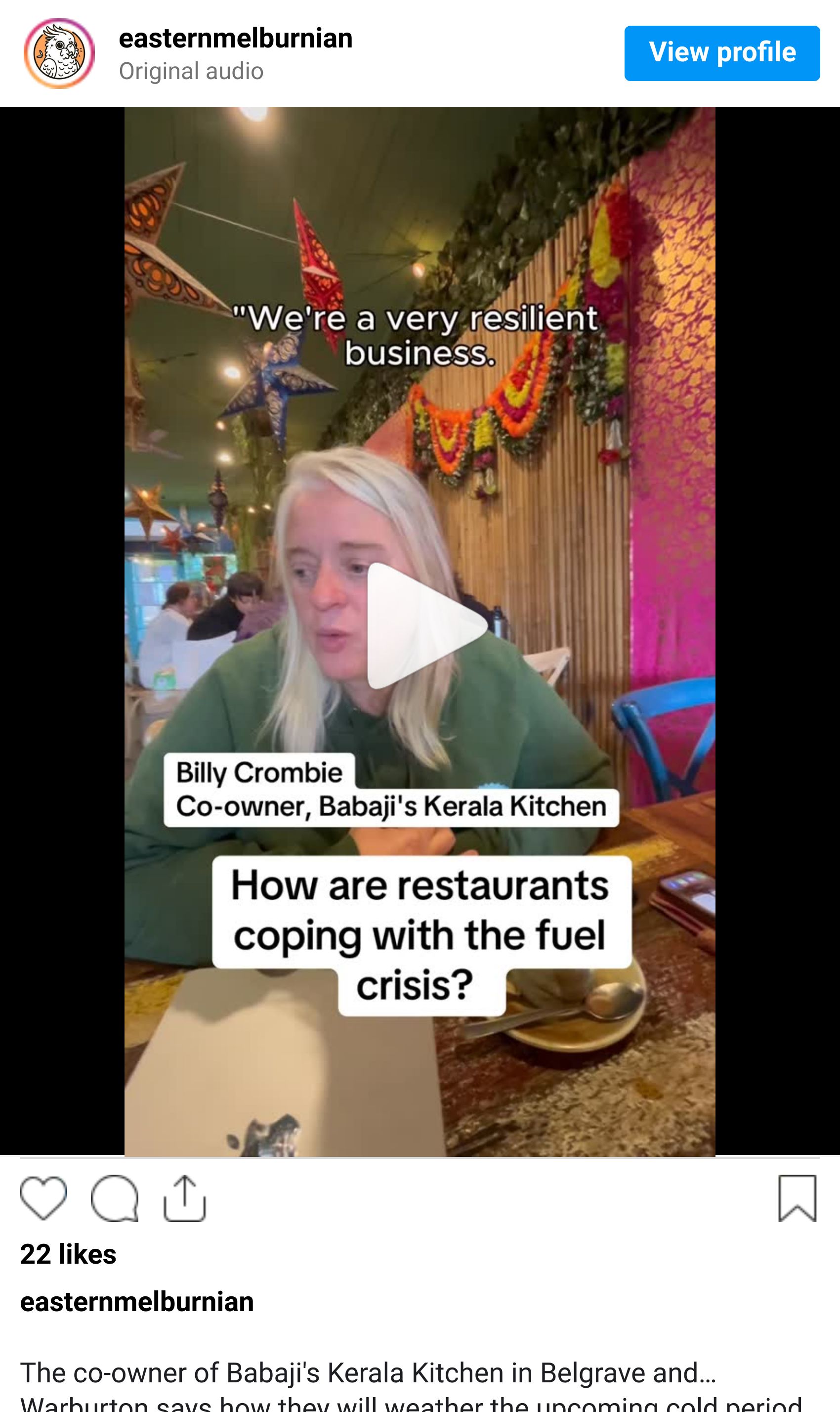
How are restaurants and food businesses coping with the ongoing fuel crisis?
In my ongoing look into how all corners of our community are facing the fuel crisis head-on, I’ve been reaching out to some restaurants and food business owners.
I had a chat with Billy Crombie, the co-owner of Babaji’s Kerala Kitchen in Belgrave and Warburton. Watch below:

We hope you enjoyed this edition, but if you ever have an idea of something you’d like to know more about or a corner of your neighbourhood you think deserves more of the spotlight, let me know!
Cheers,
Matthew