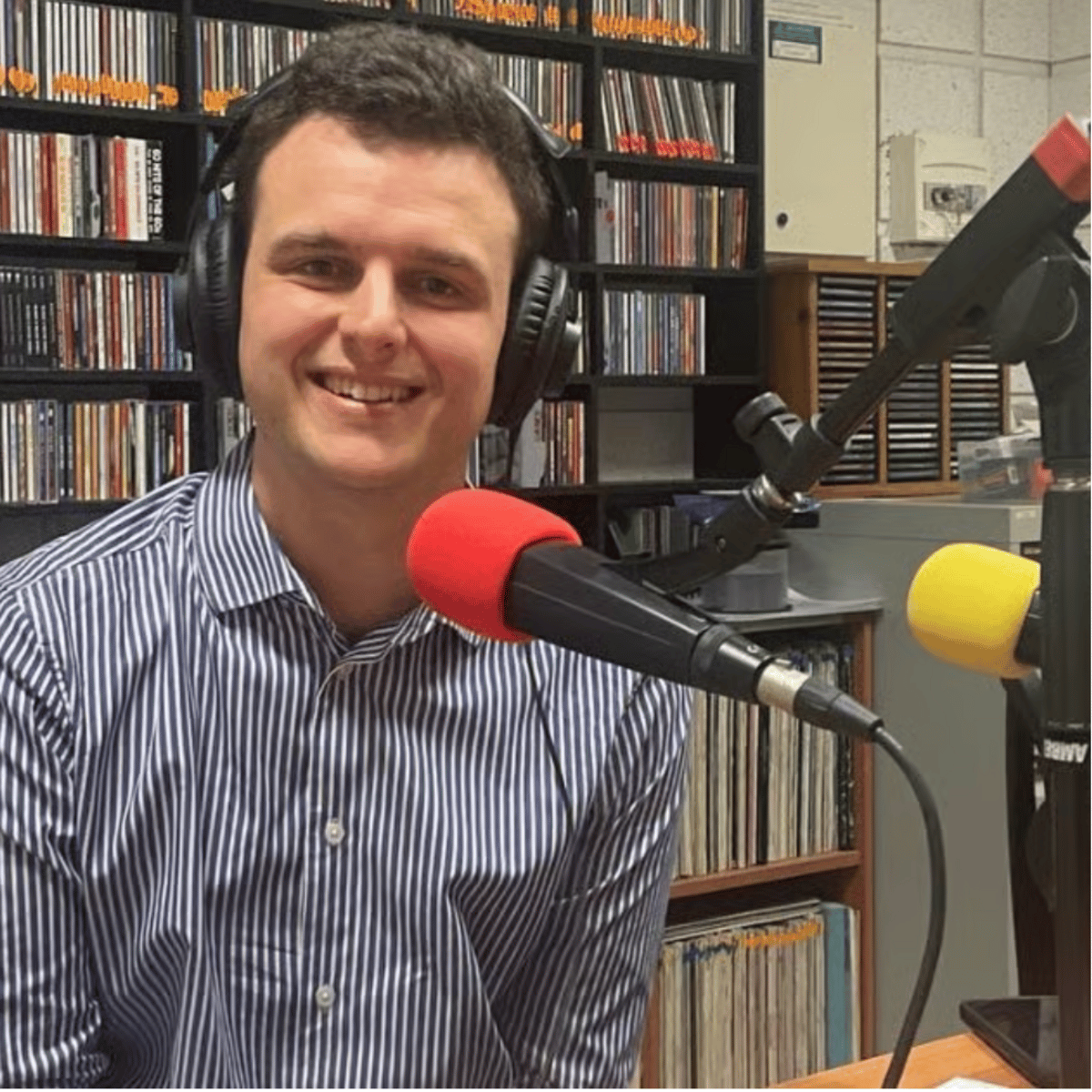

Knox Council has pushed for the state government to improve the standards of Victoria’s rooming houses, but its mayor says they have received no reply to the nine letters sent out so far asking for help.
Rooming houses offer private rooms but shared living spaces, often to people on low incomes.
The local issues: The eastern suburbs host close to a quarter of Victoria’s 2,055 registered rooming houses, with Monash topping the list at 303 properties.
According to the latest Victorian Housing Register figures, 40,857 households were on the priority social housing waitlist.
Victoria continues to have the lowest proportion of social housing compared to other states and territories – at about 88,000 long-term social housing units or about three percent of the state’s housing.
Community Housing Industry Association Victoria (CHIA Vic) chief executive Sarah Toohey said the industry had experienced a rapid expansion of for-profit rooming house providers.
“The dire state of the private rental market, the sheer cost of renting a home and the challenges of finding an available and affordable home is driving people into a very poorly regulated and often risky housing situation,” she told the Eastern Melburnian.

How’d we get here? In January, Knox councillors passed a motion to advocate to the State Government for improved standards, including that planning permits be required for all rooming houses under planning rules.
Current rules only require a rooming house provider to submit a planning permit if they intend to operate a home with more than nine rooms.
What they said: Knox Council mayor Paige Kennett said the council had written nine letters to various MPs and ministers, advocating for the state government for a range of actions, including stronger protections for residents and more funding to monitor conditions more closely. The council said it “has not received a substantive response” yet.
After meeting with the mayor and council staff in April, Planning Minister Sonya Kilkenny directed them to seek reforms through other ministers.
Government actions: As part of the 2026/27 state budget, the Victorian Labor government committed $860 million over the next five years towards the Social Housing Growth Fund, which aims to deliver more than 7,000 new social homes over the next decade.
A state government spokesperson said the government is working with local councils and social housing providers to deliver more and better housing opportunities, with “further protections soon to come into effect that will require rooming house operators to keep records showing that their properties meet the minimum standards”.

Other options: Victoria’s Liberal Party released its housing plans in February, including releasing more land and bringing greater density to the inner city. However, the Coalition has not yet released any specific plans to improve the rooming house sector.
In July, the Victorian Greens released its plans to make housing more affordable, including building more than 88,000 new public homes.
One Nation has committed to offer support for private and community organisations to deliver low-cost housing and relinquish unused government land.
What’s next? The Victorian Auditor-General’s Office has announced an audit into whether rooming houses used in the delivery of government services are safe, legally compliant and provide value for money, but it won’t start until the 2027/28 financial year.
Community Housing Industry Association’s Toohey said the body was calling for at least 8,000 new social housing units to be built annually to bring Victoria up to the national average and reduce the need for rooming houses.
🗣️ “The most important thing we need to be doing is investing in a long-term supply of social housing,” she said. “We would like to see all parties commit to an ongoing pipeline of funding for social housing.”