
⏱️ The 115th edition of our newsletter is a seven-minute read.
Hi there 👋
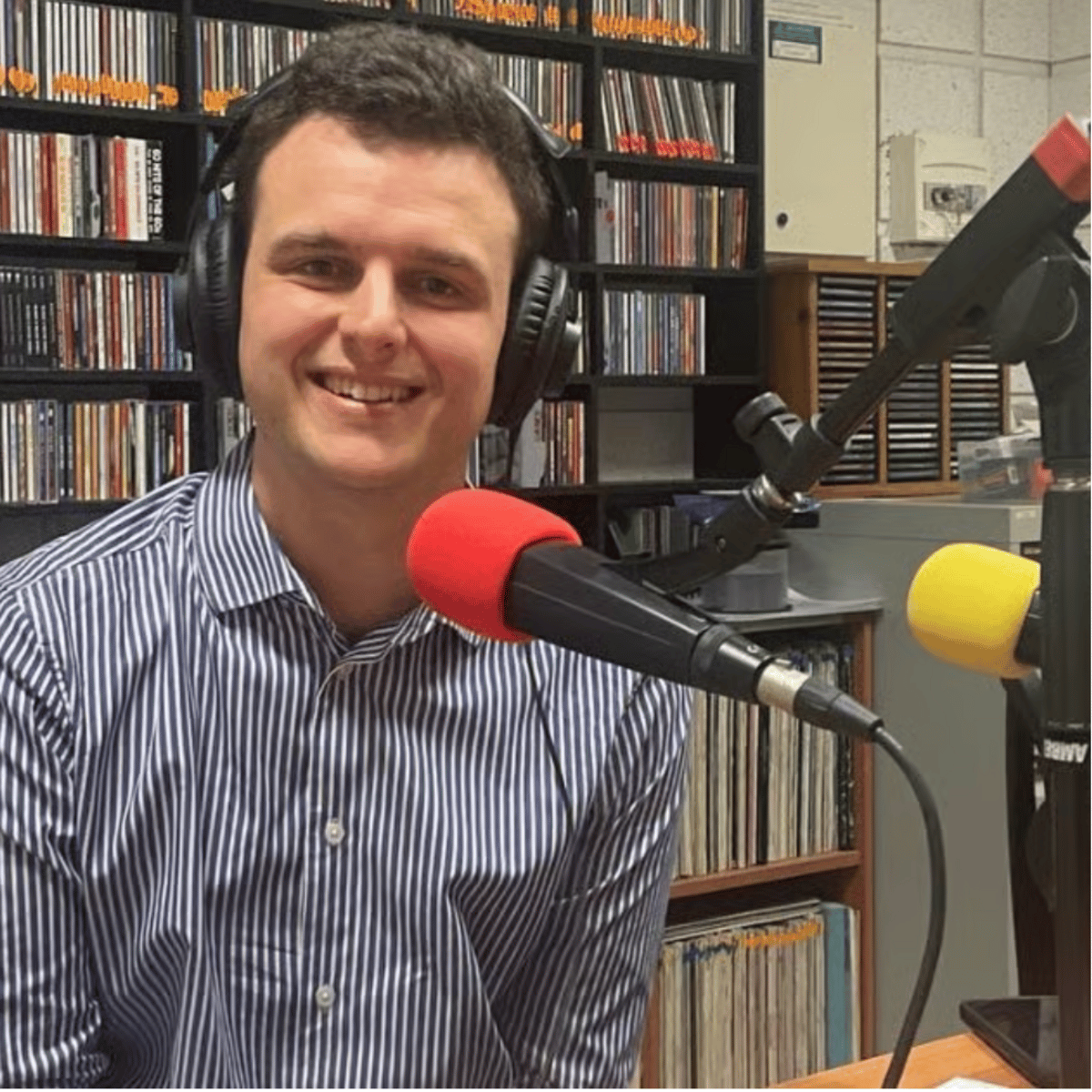
Matthew Sims here, your reporter at the Eastern Melburnian.
📈 A report I read recently has found the Yarra Ranges LGA had the most drastic spike in insurance premiums since 2020 due to increased bushfire risk.
Imagine you make no changes to your home — that you’ve had for 20 or more years — and suddenly your premium increases because of where you live. It’d be heartbreaking to have to consider moving out.
💰 I spoke to the founder of insurance claim advisor LMI Group, Allan Manning, who said he was growing more and more concerned Australia would soon become like Florida and California — seeing an exodus of insurers not willing to expose themselves to loss due to a higher risk of bushfires.
🏡 I was also shocked to discover recent analysis found more than one in four Australians had not taken out insurance for their home and contents.
Home can be a place where our families are shaped and where a lot of our identity is made. But it can also disappear in the blink of an eye. It’s scary to consider how at-risk some might be.
Today we’re covering:
How insurance premiums in the Dandenong Ranges are rising due to increased bushfire risk;
Yarra Ranges Council approving a medicinal cannabis facility in Kallista; and
Knox Council green lighting a rooming house in Ferntree Gully.
“It will be the single largest structure in the Kallista township.”
Kallista resident Doug Hawkins was one of many locals who objected to the construction of a 1,900 square-metre shed which will be used to grow, cultivate and process medicinal cannabis.
WHAT’S ON 🎟️
SATURDAY 14/02/26, 7.45-11PM | Bar and Burlesque
SATURDAY 14/02/26, 8PM | Pete Murray
SATURDAY 14/02/26, 4-8PM | Live at Warrawee
SATURDAY 14/02/26, 6.30-8.30PM | Chinese Lantern Celebration
SUNDAY 15/02/26, 7.30-10PM | Toni Childs
SUNDAY 15/02/26, 9AM-3PM | 100 Years of Gilwell Park
SUNDAY 15/02/26, 9AM-1.30PM | Yarra Valley Farmers Market

📰 THIS WEEK’S HEADLINES
Yarra Ranges homeowners in bushfire-prone areas have experienced the steepest rise in insurance premiums across the country since 2020, according to a recent report.
With the Dandenong Ranges being one of the world’s most fire-exposed urban areas, due to the collection of bushland fuel, steep terrain and limited escape routes, how much pressure is this extra cost putting on local budgets?
Released last month, a report from the Climate Council and Emergency Leaders for Climate Action found the greatest threats for Melbourne lie in the northeast and east, particularly the Dandenong Ranges, Warburton Valley and Warrandyte, where dense forests meet residential areas.
The report also found a number of Australian cities share the same characteristics that made the recent Los Angeles fires so catastrophic, including that up to 90 percent of Australia’s homes in high-risk fire zones (like the Dandenong Ranges) were built before modern bushfire standards existed.
Insurance providers are always analysing areas to ensure they are appropriately insured due to changing risk, often discovering that areas or properties are under-priced and increasing the premiums.
If a property is also built using outdated building practices, insurance providers are often insuring the cost of what it would take to rebuild, not the current value of the building.
A 2024 report from the Actuaries Institute, a body that calculates insurance risks and premiums, found the proportion of "affordability-stressed" households in Australia – those having to pay insurance premiums of more than four weeks gross household income – rose to 15 percent in the year to March 2024.
According to Climate Council analysis, the number of high-risk properties in Australia – properties for which insurance is often already unaffordable or unavailable – is expected to grow to 1.3 million by 2050.
Allan Manning, the founder of insurance claim advisor LMI Group, said higher risk of natural disasters such as bushfires had made it harder to get insurance.
“I've got a friend who owns a restaurant in a bushfire zone, and he's in a catch-22: the council won’t let him cut the trees down but he can't get fire insurance anymore,” Manning told the Eastern Melburnian. “Suddenly, it just becomes uninsurable.”
Manning compared Australia’s situation to that seen in Florida and California, where insurers pulled out of the market due to the high risk. He believes similar movements here would cause a “catastrophe” and impact other sectors, like reducing the banks’ ability to offer home loans.
“Without insurance, the world stops,” said Manning. “My biggest fear about Australia is that we're becoming less and less insurable.”
A 2024 Compare the Market survey found more than one in four Australians did not have home or contents insurance.
“The problem is the people who can least afford to lose their home are the ones that often don't have insurance,” said Manning.
The approved construction of a medical cannabis grow-op in Kallista has prompted outcry from a group of locals who say the 1,900 square metre shed will disrupt traffic and the natural vista of the land.
First lodged last March, the application outlined plans to construct a shed associated with agriculture at 28 Oceanview Crescent in Kallista. If built, the plan is for this shed to be used to grow, cultivate and process medicinal cannabis.
During Tuesday’s council meeting, Yarra Ranges Council approved the permit for the construction of the shed, subject to a number of conditions, including chimney stacks and carbon filters for “proper odour dispersion”. Lighting will also be required to be diffused.
Yarra Ranges Council received 104 objections to the development, with reasons including land use, health, air quality, traffic, odour and visual impacts.
A local resident has also launched an online petition, which has attracted more than 350 signatures.
Oceanview Crescent resident Doug Hawkins said the result was “tremendously disappointing”, with the majority of objections concerning the potential impact on traffic and visual amenity.
“It will be the single largest structure in the Kallista township,” Hawkins told the Eastern Melburnian.
The developers will be required to obtain a federal cannabis cultivation licence from the Office of Drug Control.
Hawkins said he and other locals were considering appealing the council’s decision in VCAT.
Knox Council has approved a nine-bedroom rooming house in Ferntree Gully, arguing the application met the government regulations.
Also known as a boarding house, a rooming house is a dwelling where one or more rooms are for rent for a lower individual cost than a unit or apartment.
Last June, Knox Council received a planning permit application for the construction of a rooming house at 6 Margot Street in Ferntree Gully, including nine bedrooms over a 299-square-metre dwelling.
The council received 44 objections to the application, with submitters airing a range of concerns, including fears the development would lead to an increase in the crime rate.
On Monday, Knox Council approved the application – eight votes to one.
SEEN THIS WEEK
😵💫 How do politicians manipulate the media?
The National Account reporter Archie Milligan recently spoke to Sean Kelly, who worked as a press secretary for Kevin Rudd from 2009, then moved to a senior role when Julia Gillard became PM in 2010.
From "drops" (authorised leaks) to managing hostile media outlets, he pulled back the curtain on political communications in Australia.
Check out the full interview below.

Thanks for catching up with us this week at the Eastern Melburnian. We hope you enjoyed this issue.
Cheers,
Matthew