
Renters in eastern Melbourne apartments could soon hang portable plug-in solar systems off their balconies, allowing them to save about 15 percent off their annual power bill without having to receive a green-light from their owners corporation.
In September, Australia’s energy ministers agreed to explore options to legalise and roll out consumer-level solar systems.
A Yarra Ranges solar engineer says Victoria could quickly follow in the footsteps of countries like Germany and the UK – if regulations can be quickly approved.
What are they? Plug‑in solar and battery systems are small, portable units that can be installed on apartment balconies without a professional electrician and plugged into a regular power point to offset the cost of powering appliances.
While the systems are much smaller than their rooftop counterparts, they are estimated to cost from $650 to $1,300, making them more accessible to renters or low-income families.
A RMIT University study estimated a one-kilowatt plug-in balcony system in Melbourne could save a Melbourne household about $248 annually, or about 15 percent below the price benchmark for power costs across the state.
In an unshaded Melbourne apartment, a one-kilowatt system could produce up to 3.6 kilowatt-hours of electricity every day, which is enough to power a fridge, washing machine, kettle, toaster and dishwasher via normal usage.

Left behind: Solar has traditionally been harder to get if you live in an apartment, and even trickier if you rent.
A Victorian parliamentary inquiry report delivered in August found the state’s apartment owners have faced complex and expensive barriers to accessing renewable energy, including requiring a 75 percent agreement from owners corporations to install shared solar systems.
According to the 2021 Census, about one in eight Victorians live in an apartment and one in three of those are renters. In Boroondara, 24.2 percent of occupied dwellings are apartments, while 28.8 percent of all dwellings are rented.
Independent candidate for Hawthorn Shima Ibuki said she believed all residents deserve access to cheap renewable power, regardless of whether they own the roof they live under.
“I will fight for the rapid approval and rollout of plug-in solar and batteries for balconies and courtyards,” she told the Eastern Melburnian.
Catching up: Glen Morris, the general manager at Smart Energy Lab in Mount Toolebewong, said Victoria could lead the rollout of plug-in systems.
🗣️ “Apartment dwellers need an option they can buy, carry home and plug in,” he told the Eastern Melburnian. “The work other countries have done means we don’t have to start from scratch.”

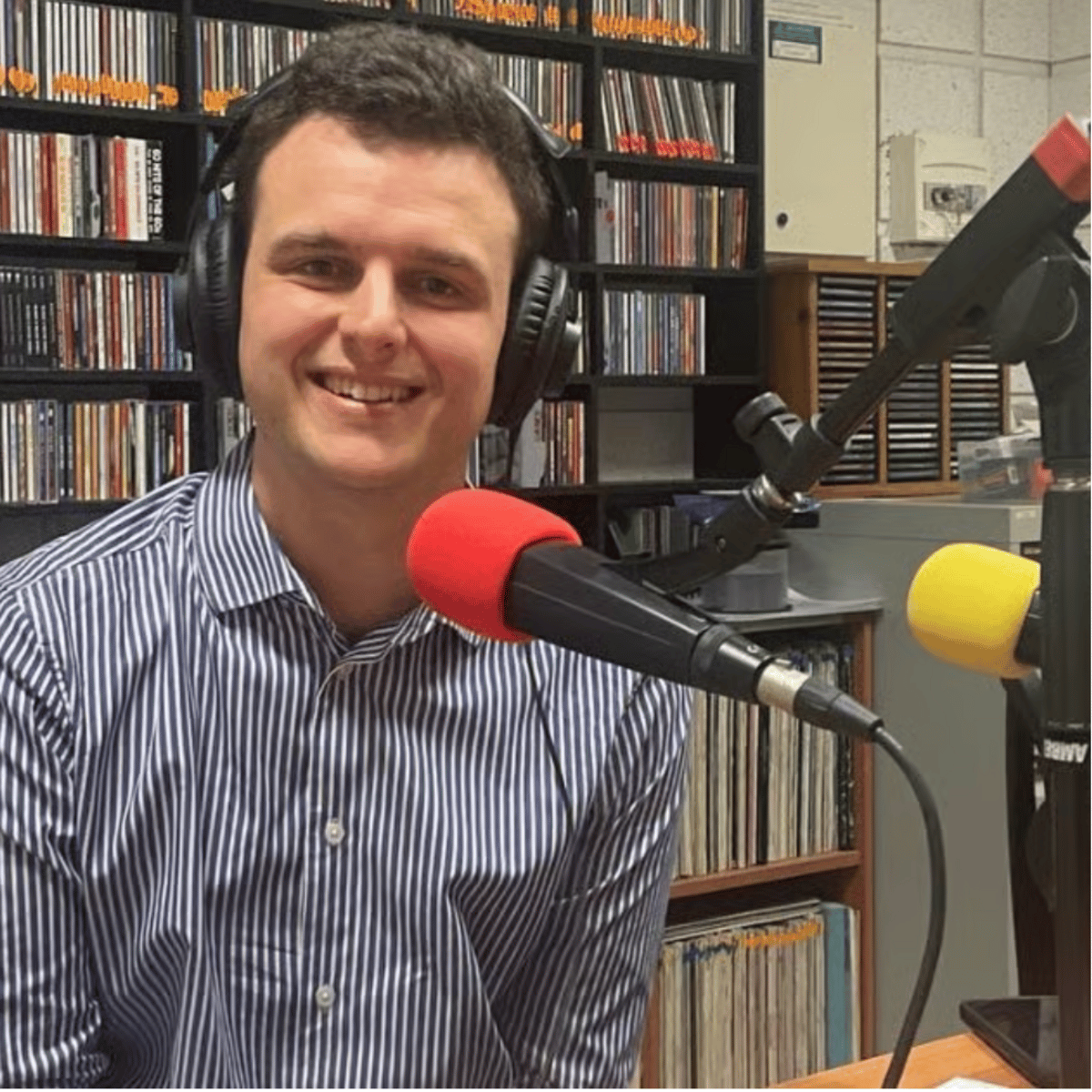
Left: Smart Energy Lab general manager Glen Morris. Right: Independent candidate for Hawthorn Shima Ibuki.
How we got here: Plug‑in solar and battery systems are commonly used in many European countries, including more than 1.3 million registered systems in Germany to date as well as parts of the United States.
In August, the United Kingdom legalised installation, while New Zealand plans to do the same within the next nine to 12 months.
What barriers are there? While the systems can technically be sold in Australia, it is still illegal to plug them in and use them in your home.
Morris said the hurdles currently preventing a rollout across Victoria include the cost of requiring a licensed electrician to install a system as well complex approvals before they can be used.
Morris said testing underway at the Smart Energy Lab was demonstrating that the technology could be safely integrated.
🗣️ “There really is no technical reason why Australians should not be able to safely access balcony solar, but the regulatory framework needs to catch up fast,” he said.
What’s next: Solar Citizens chief executive Heidi Lee Douglas said they would push for energy ministers to provide a “firm timeline and deadline” by their next meeting in December, with a hope for legalisation by next July.
Thumbnail Image Credit: Yuma Solar via Unsplash