
CORRECTION: A previous version of this story stated all commingled recycling from the centre was sent to Visy. Whitehorse Council sends commingled recycling to various recycling facilities, including VISY, where it is sorted and reprocessed into new products. We regret the error.
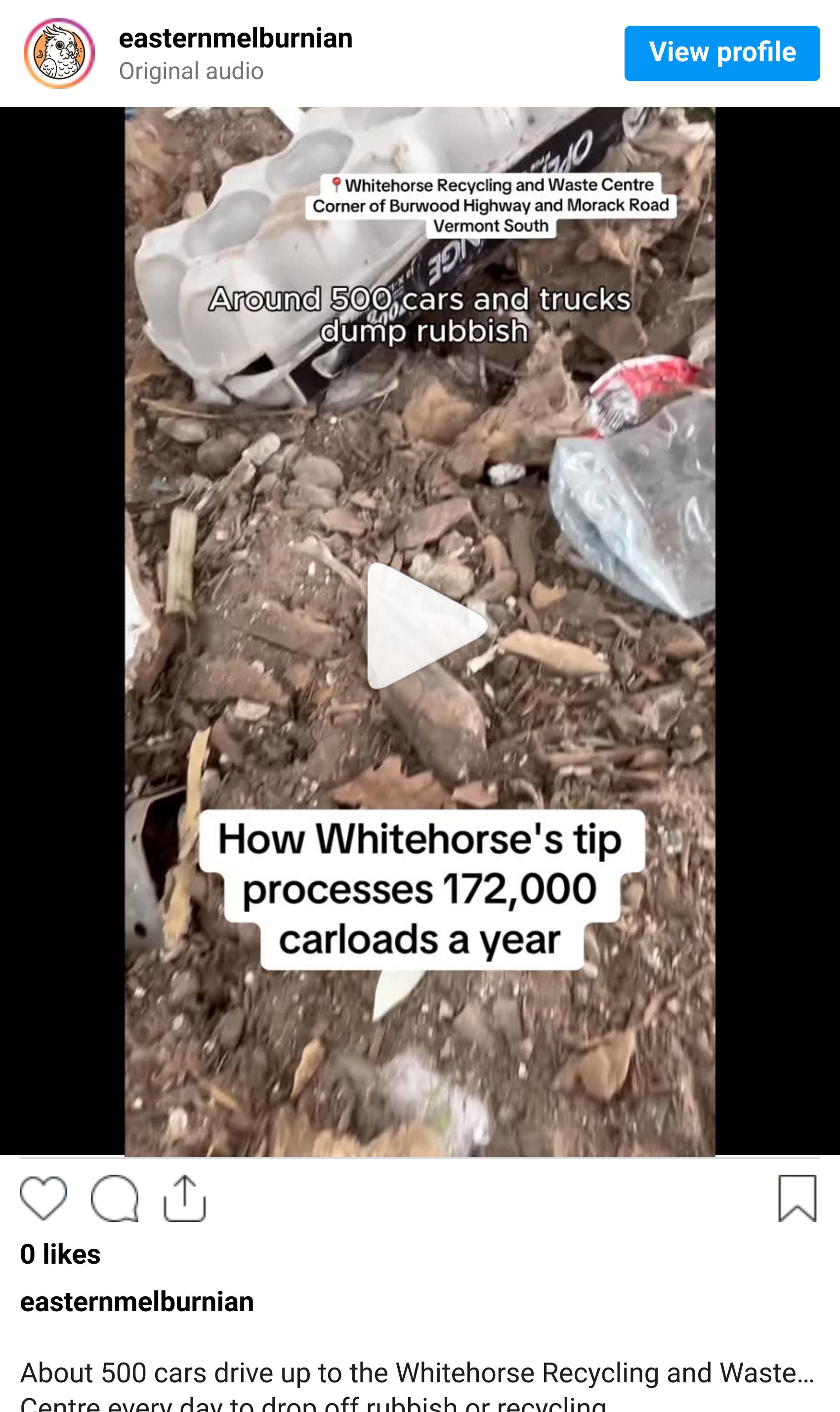
About 500 cars drive up to the Whitehorse Recycling and Waste Centre every day to drop off rubbish or recycling.
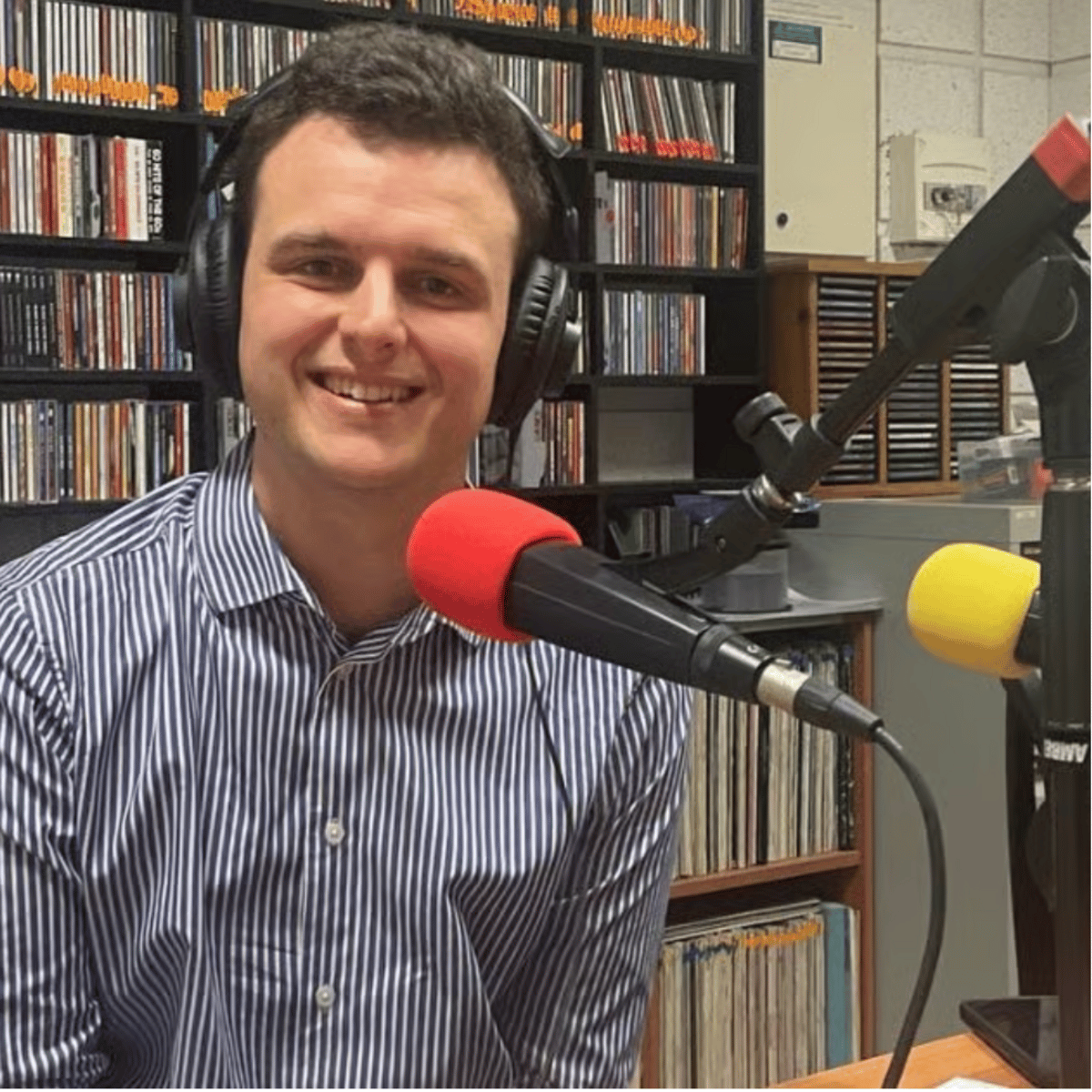
Centre co-ordinator Shannon Beath said during his 20 years of working at the Vermont South facility, he has seen shifts in the way people think about how they get rid of their waste and its potential value.
♻️ Split streams: Opened as the Nunawading Transfer and Recycling Centre by the former Nunawading Council in July 1981, a total of 13 staff members working across two shifts keep the facility running from 6.30am until 4pm, only closing on Good Friday, Christmas Day and New Year’s Day.
The centre welcomes about 172,000 vehicles each year and accepts about 35,000 tonnes of general waste, 14,000 tonnes of green waste, 2,000 tonnes of metal and 1,000 tonnes of cardboard.
🚛 Where does it all go? General waste is taken to either the Heidelberg Materials landfill in Wollert or the Cleanaway Melbourne Regional Landfill in Ravenhall.
Commingled recycling — including cardboard, glass, plastics, aluminium and steel — is sent to various recycling facilities, including Visy centres, where it is sorted and reprocessed into new products.
🛑 Waste not: Beath said community awareness about recycling had improved over the years.
🗣️ “A lot of people want to do the right thing whereas years ago, it wasn't really a focus,” Beath told the Eastern Melburnian.
However, contamination of cardboard with materials such as polystyrene and plastic, along with lithium batteries catching alight in rubbish trucks, still presents challenges.

🚦 Peak hour traffic: Beath said the busiest times were school holidays, the summer break and Christmas.
🗣️ “The queue will definitely stretch right down to Burwood Highway,” he said. “I think the worst was during Covid, when we were one of the only few places you could go.”

Left: Whitehorse Recycling and Waste Centre co-ordinator Shannon Beath. Right: A few of the ibises or “bin chickens” which frequent the facility.
🏴☠️ No more treasure: Beath said while he once saw items such as fibreglass boats and vinyl record collections end up in the tip, most people sell unwanted but valuable goods online.
⏭️ What’s next? Whitehorse mayor Kirsten Langford told the Eastern Melburnian during a visit to the facility on Tuesday the council was one of nine signed up to divert 95 percent of landfill waste to a proposed waste-to-energy facility in Gippsland that is due to be operational by 2029.
🗣️ “The less waste we have going into landfill, the better, because right now landfill is becoming really expensive,” Langford said.