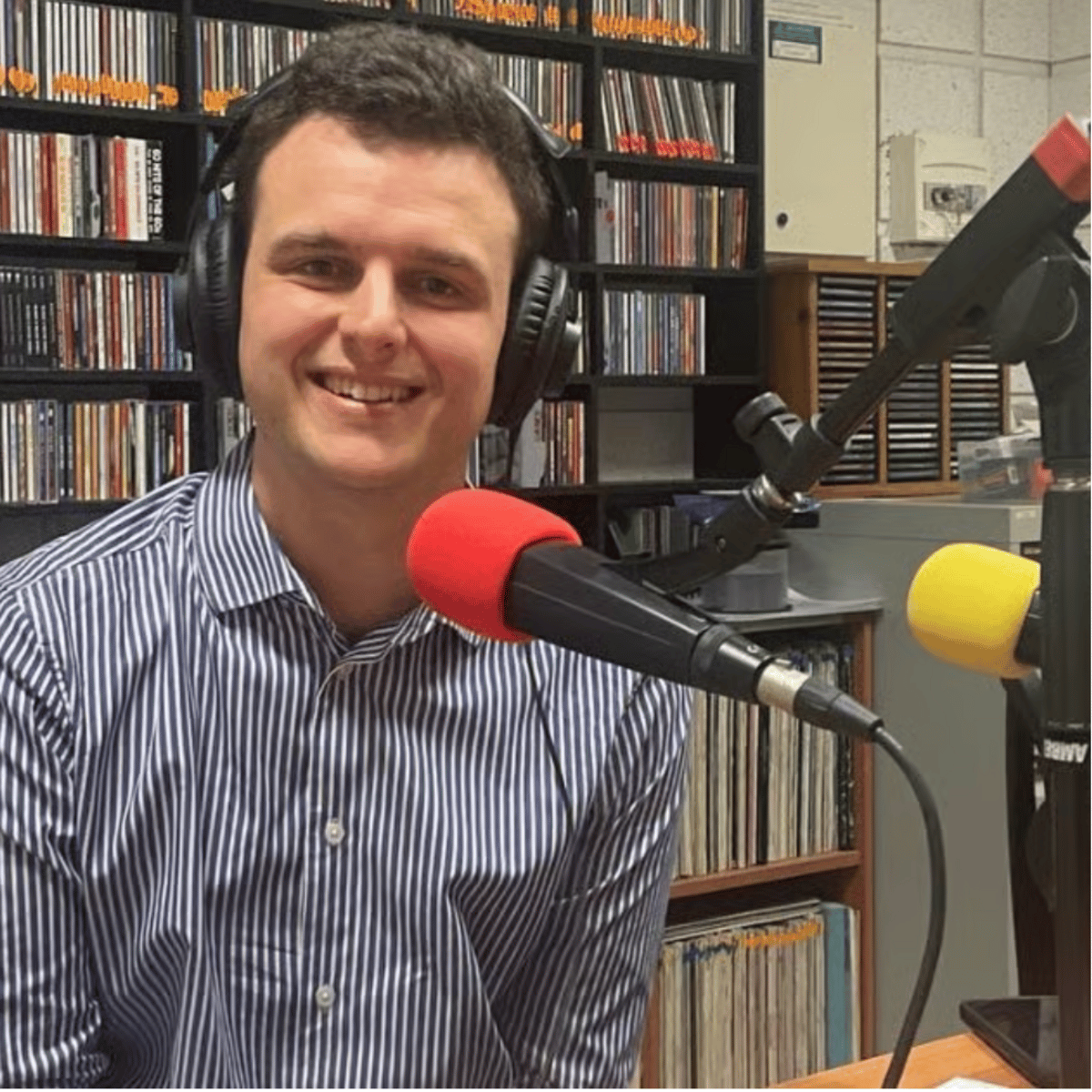

Mount Evelyn IGA Supermarket owner Tony Ingpen says he and other independent supermarket owners will have to raise their prices soon, as fuel levies place pressure on his business.
❓ What’s happening? Limited supply and rising demand due to the Middle East conflict have pushed fuel prices higher, with unleaded in Melbourne’s east at about $2.55 per litre and diesel around $3.25 — if available.
Industries have begun to charge emergency fuel levies on top of their service costs.
For instance, Woolworths has increased the fuel surcharge trucking companies can impose on its packaged grocery suppliers from 7.28 percent to 12.47 percent in metropolitan Melbourne, while regional and rural runs saw a jump from 18.44 percent to 31.56 percent.
Australia Post has also announced it will bump fuel surcharges for about 30,000 contract customers from 4.8 percent to 12 percent on Thursday April 23.

🧑🧑🧒🧒 Family roots: In Mount Evelyn, the IGA has been in the Ingpen family for 53 years, with Tony and his wife Donna running it independently for the past 12 years.
⏳ Waiting for relief: Ingpen said the majority of his suppliers were charging between $5 to $10 as an emergency fuel levy – a cost they would only be able to absorb for a limited amount of time before they would have to raise costs to remain competitive.
🗣️ “We're going to see inflation in produce and meat starting to come through,” Ingpen told the Eastern Melburnian. “The cost of doing business is definitely going to increase. Unfortunately, it's going to be you go broke or you sneak your prices up.”
Tax slashed: On Monday, the Australian Government announced it would halve the fuel excise on petrol and diesel from April 1 to June 30 – meaning fuel would be 26.3 cents per litre cheaper.
Ingpen said he was doubtful the step would do much to lessen the blow in the long run, as making fuel cheaper would cause more people to flood back to the bowser, which would lead to less supply and gas companies continuing to increase their prices.
🗣️“It’s really just postponing or slowing down the increase,” said Ingpen. “Until the price comes down at the petrol pump, you’re not going to see any positives.”

🛑 Holding on: Ingpen said he was reducing the frequency of deliveries from their suppliers and packing trucks with more product to keep costs as low as possible for as long as possible.
🗣️“I think this is the very beginning,” said Ingpen. We're heading towards a mini-Covid-type inflationary period. At the moment, we're all waiting to see how we actually react to it and how long-term it is.”